
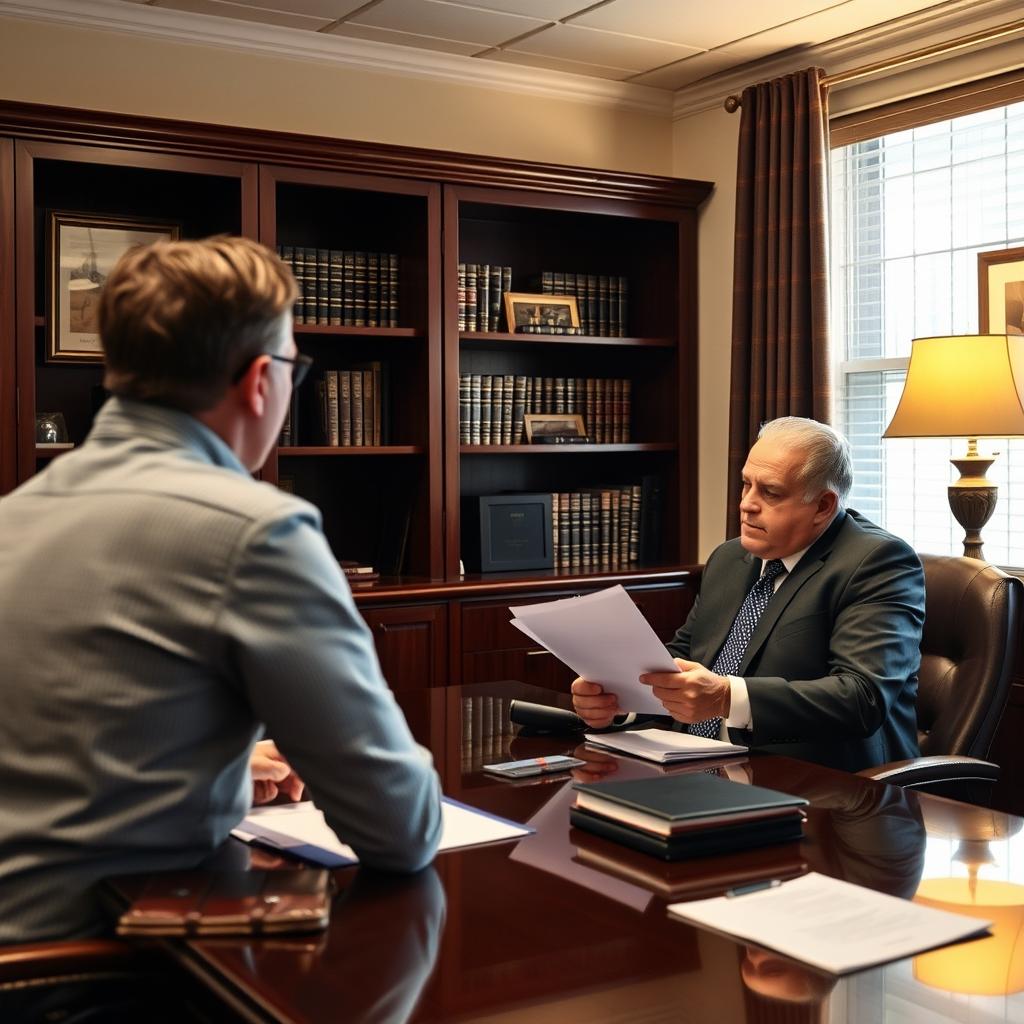
Police ID Fraud Defense Lawyer Shenandoah County
If you face police ID fraud charges in Shenandoah County, you need a lawyer who knows Virginia law and local courts. Police ID fraud, or impersonating an officer, is a serious felony under Virginia Code § 18.2-174. A conviction carries severe penalties including prison time and a permanent criminal record. Law Offices Of SRIS, P.C.—Advocacy Without Borders. (Confirmed by SRIS, P.C.)
Statutory Definition of Police ID Fraud in Virginia
Virginia Code § 18.2-174 defines impersonating a law-enforcement officer as a Class 1 misdemeanor or a Class 6 felony with a maximum penalty of five years in prison. The statute makes it illegal to falsely assume or pretend to be a law-enforcement officer with the intent to deceive. This includes wearing a uniform, displaying a badge, or using a title like “police” or “sheriff” to make someone believe you have official authority. The specific charge and its severity depend on the defendant’s actions and intent during the alleged incident.
Prosecutors in Shenandoah County must prove every element of this statute beyond a reasonable doubt. They must show you knowingly pretended to be an officer and intended to make another person believe that deception. Simple mistakes or misunderstandings do not constitute a crime. The classification hinges on whether the impersonation was to “induce another to submit to such pretended authority or otherwise to act in reliance upon that pretense.” Felony charges often apply if the impersonation was used to commit another crime, obtain property, or cause someone to act against their will.
Related charges often accompany police ID fraud accusations. These can include obtaining money or property under false pretenses under § 18.2-178 or obstruction of justice under § 18.2-460. Each additional charge compounds the potential penalties and complexity of your defense. Understanding the exact statute you are accused of violating is the first critical step. A Police ID Fraud Defense Lawyer Shenandoah County examines the charging documents to build a targeted defense.
What is the difference between a misdemeanor and felony impersonation charge?
A misdemeanor charge applies to basic impersonation, while a felony applies if used to commit another offense or secure a benefit. The key distinction in Virginia law is the defendant’s specific intent during the act. A misdemeanor impersonation might involve showing a fake badge during an argument. A felony impersonation could involve using the fake identity to gain entry to a home or demand money. The prosecutor’s initial charging decision is not final; an attorney can argue to reduce a felony to a misdemeanor.
Can you be charged for just having a fake police badge?
Merely possessing a fake badge may not be enough for a conviction under § 18.2-174 without proof of intent to deceive. The prosecution must demonstrate you used or intended to use the item to make someone believe you were an officer. Simple possession could potentially lead to other charges, like possession of forged instruments. However, the core impersonation charge requires an act of deception directed at another person. A defense lawyer scrutinizes the evidence for this lack of fraudulent intent.
What does “intent to deceive” mean in these cases?
“Intent to deceive” means you deliberately acted to make another person believe you were a real law-enforcement officer. This is a subjective mental state that prosecutors must prove with circumstantial evidence. Your words, actions, and the context of the situation all provide evidence of this intent. A joke or costume that is clearly not meant to be believed may not meet this legal standard. Challenging the proof of this specific intent is a common and effective defense strategy. Learn more about Virginia legal services.
The Insider Procedural Edge in Shenandoah County
Shenandoah County General District Court, located at 112 South Main Street in Woodstock, VA 22664, handles initial hearings for police ID fraud charges. All misdemeanor cases and preliminary hearings for felonies begin here. The court operates on a specific schedule, and missing a court date results in an immediate failure to appear warrant. Filing fees and court costs are set by Virginia statute and are non-negotiable. Procedural specifics for Shenandoah County are reviewed during a Consultation by appointment at our Shenandoah County Location.
The timeline from arrest to resolution can vary significantly. An arraignment typically occurs within days of an arrest or summons. A preliminary hearing for a felony charge must be held within a reasonable time if the defendant is held in custody. Discovery, the process where the defense obtains the prosecution’s evidence, follows the arraignment. Motions to suppress evidence or dismiss charges are filed before trial. Knowing these deadlines and procedures is essential to protecting your rights.
Shenandoah County Circuit Court, at 112 South Main Street, Woodstock, VA 22664, is where felony trials and appeals from General District Court are held. This court has a different set of rules and a jury trial option. The procedures are more formal, and the stakes are much higher. Having a lawyer familiar with both courtrooms is a decisive advantage. A false police ID charge lawyer Shenandoah County handles these procedural hurdles to seek the best outcome.
What is the first court date after an arrest for impersonating an officer?
The first court date is an arraignment in Shenandoah County General District Court to hear the formal charges. You will enter a plea of guilty, not guilty, or no contest at this hearing. The judge will also address bail conditions if you were arrested and held. Do not plead guilty at arraignment without speaking to an attorney. This hearing sets the stage for all future proceedings, making legal representation critical from the start.
How long does a police ID fraud case typically take?
A misdemeanor case can resolve in a few months, while a felony case may take a year or more to conclude. The complexity of the evidence, court scheduling, and negotiation between defense and prosecution all affect the timeline. Rushing a case often harms the defense, as thorough investigation takes time. Your lawyer will provide a realistic timeline based on the specifics of your Shenandoah County case. Patience and a strategic defense are key. Learn more about criminal defense representation.
What are the court costs and fees for these charges?
Court costs and filing fees are mandated by the state and are due upon conviction or as ordered by the court. The exact amount depends on the final charge and any additional fines imposed by the judge. These financial penalties are separate from any restitution ordered to a victim. An experienced attorney can sometimes argue for a reduction in fines based on your circumstances. However, costs are a near-certain consequence of any guilty finding.
Penalties & Defense Strategies for Impersonation Charges
The most common penalty range for a Class 1 misdemeanor impersonation conviction is up to 12 months in jail and a fine up to $2,500. A Class 6 felony conviction carries a potential prison sentence of one to five years, or up to 12 months in jail and a fine up to $2,500 at the judge’s discretion. The court also imposes mandatory court costs and may order restitution to any victim. A conviction creates a permanent criminal record that affects employment, housing, and professional licenses.
| Offense | Penalty | Notes |
|---|---|---|
| Class 1 Misdemeanor Impersonation | Up to 12 months jail; Fine up to $2,500 | Standard charge for basic impersonation acts. |
| Class 6 Felony Impersonation | 1-5 years prison OR up to 12 months jail & fine up to $2,500 | Applied if impersonation furthered another crime or secured a benefit. |
| Court Costs | Mandatory, set by statute | Added to any fine upon conviction. |
| Restitution | Varies by victim’s loss | Court-ordered payment to victim for financial harm. |
[Insider Insight] Shenandoah County prosecutors often seek jail time for police ID fraud, viewing it as an attack on public trust. They are less likely to offer pretrial diversions for these charges compared to other non-violent offenses. However, they are receptive to strong legal arguments about flawed identifications or lack of criminal intent. An aggressive defense that questions the credibility of the accuser and the integrity of the evidence can lead to reduced charges or dismissal.
Effective defense strategies begin with attacking the prosecution’s evidence. Was the identification of the defendant as an “officer” reliable? Did the defendant have the required “intent to deceive,” or was it a misunderstanding or prank? Can the alleged uniform or badge be definitively linked to the defendant? We file motions to suppress any evidence obtained through unlawful searches or seizures. We challenge the credibility of witnesses and the chain of custody for any physical evidence. The goal is to create reasonable doubt before trial or use weaknesses for a favorable plea negotiation.
Will I go to jail for a first-time impersonation offense?
Jail time is possible for a first offense, especially if the impersonation caused fear or financial loss. Virginia sentencing guidelines and the judge’s discretion determine the final penalty. An attorney can present mitigating factors to argue for probation, community service, or suspended sentences. The outcome heavily depends on the specific facts and the strength of your defense. Never assume a first offense will be let off with a warning. Learn more about DUI defense services.
How does a conviction affect my driver’s license?
A conviction for impersonating a police officer does not trigger an automatic driver’s license suspension under Virginia law. However, the criminal record from the conviction will appear on background checks conducted by employers and licensing boards. Certain professional drivers or security licenses may be revoked due to the conviction’s nature. The indirect consequences on your livelihood can be severe. Discuss all collateral consequences with your impersonating officer defense lawyer Shenandoah County.
What are the best defenses against false police ID charges?
The best defenses are lack of intent to deceive, mistaken identity, and insufficient evidence. Arguing you lacked the criminal intent to make someone believe you were an officer is powerful. Mistaken identity challenges the accuser’s ability to correctly identify you as the perpetrator. Insufficient evidence attacks the prosecution’s failure to prove every element of the crime beyond a reasonable doubt. Each case requires a unique defense strategy based on a detailed investigation.
Why Hire SRIS, P.C. for Your Shenandoah County Defense
Our lead attorney for Shenandoah County defenses is a former law enforcement officer with direct insight into police procedures and prosecution tactics. This background provides an unmatched advantage in dissecting the commonwealth’s case against you. We know how officers are trained to investigate and testify in impersonation cases. We use this knowledge to anticipate the prosecution’s strategy and counter it effectively from the first hearing.
Lead Defense Counsel: Our attorney brings a practical understanding of Virginia law and Shenandoah County courtrooms. With extensive trial experience, they have secured dismissals and favorable outcomes for clients facing serious charges. They focus solely on building the strongest possible defense for your unique situation.
SRIS, P.C. has a proven record of defending clients in Shenandoah County. We prepare every case for trial, which gives us use in negotiations. We conduct independent investigations, interview witnesses, and consult with experienced attorneys when necessary. Our approach is direct and strategic, not passive. We communicate clearly with you about your options and the likely outcomes at each stage. You need a fighter in your corner, not just a negotiator. Learn more about our experienced legal team.
Localized FAQs on Police ID Fraud Charges
What should I do if I am accused of impersonating a police officer in Shenandoah County?
Remain silent and contact a defense lawyer immediately. Do not discuss the incident with anyone, including police, without your attorney present. Gather any evidence you have, like texts or witness contacts, and provide it to your lawyer. Your first statements can severely impact your case.
Can impersonation charges be dropped before court in Virginia?
Yes, charges can be dropped if the prosecution lacks sufficient evidence or if your lawyer negotiates a dismissal. This often requires filing pretrial motions challenging the evidence or witness credibility. Prosecutors may drop charges if a key witness becomes unavailable or unreliable. An aggressive defense increases the chances of a pretrial dismissal.
Is impersonating an officer a federal crime?
Impersonating a federal officer is a separate federal crime under 18 U.S.C. § 912. Virginia state charges under § 18.2-174 are far more common for local incidents. Federal involvement is rare unless you pretended to be an FBI, DEA, or other federal agent. Your lawyer will determine the exact jurisdiction and applicable laws.
What is the cost of hiring a lawyer for these charges?
Legal fees depend on the charge severity (misdemeanor vs. felony), case complexity, and whether the case goes to trial. Most attorneys charge a flat fee or retainer for criminal defense representation. Discuss the fee structure and payment options during your initial Consultation by appointment. Investing in a strong defense is critical given the severe penalties at stake.
How does a police ID fraud charge affect employment?
A charge or conviction can lead to job loss, difficulty finding new employment, and revocation of professional licenses. Many employers conduct background checks and will see the arrest and any conviction. Jobs in law enforcement, security, education, and finance are particularly at risk. A defense lawyer works to avoid a conviction that creates this permanent record.
Proximity, CTA & Disclaimer
Our Shenandoah County Location is strategically positioned to serve clients throughout the region. We are accessible from major routes and committed to providing dedicated legal defense. If you are facing police ID fraud charges in Shenandoah County, time is not on your side. The prosecution begins building its case from the moment you are accused.
Consultation by appointment. Call 540-347-4944. 24/7.
SRIS, P.C.
Shenandoah County Location
Address details are confirmed upon scheduling your case review.
Past results do not predict future outcomes.